










Summary
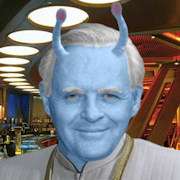
Lieutenant Commander Mianne Tu is the Chief Medical Officer of the USS Soval. She oversees Sickbay operations, runs medical laboratories and manages healthcare personnel assigned to the vessel. Her responsibilities include emergency medicine, routine healthcare, preventative treatment, crew medical readiness and the coordination of specialized care. She advises Captain Smythe and Commander T’Naagi on medical risks associated with missions. She has the authority to intervene when conditions present unacceptable dangers to the health of the crew.
Tu also prepares the Soval’s medical personnel for the unpredictable demands of exploration. Away teams may encounter unfamiliar pathogens or environmental hazards with little warning. She coordinates training and emergency response plans to help prepare every department of the ship.
Tu considers the crew as her responsibility. She monitors long-term health trends as carefully as any injury. She encourages her staff to recognize the person behind every medical record. Her goal is that everyone entrusted to her department should receive the needed care to return to their duties. She also hopes not to lose anyone under her watch.
Appearance
Lieutenant Commander Mianne Tu has a medium build and slightly curvy figure. Her 5’5 frame has a natural, rounded appearance. She carries herself with practiced professionalism during working hours. She moves mindfully and holds an upright posture around patients.
Tu possesses an almost square but elegant jawline softened by gently rounded cheekbones. A delicate nose sits at the center of her face with a small, noticeable bump along the bridge. Thin, carefully manicured eyebrows frame large, deep-set eyes. Her irises so dark that they appear completely black. Thick curls of dark brown hair surround her face.
Her eyes are especially expressive. Tu has difficulty concealing feelings of surprise or discomfort once something unsettles her. Her eyebrows lift, her eyes widen and tension quickly appears around her mouth. This makes her relatively easy for crewmembers to read, even with her attempts to maintain composure. When relaxed, the same features give her a naturally warm expression. Her smile comes easily around patients and friends. She is best at comforting a patient once she realizes everything is going to go well for them.
Personality
Tu is calm, knowledgeable and highly professional as she practices medicine. Years of medical education and clinical experience have given her confidence in examining patients, interpreting diagnostic information and directing treatment. Emergencies tend to force her to focus instead of overwhelming her.
Away from her professional responsibilities, some of that composure disappears.
Tu worries easily. A minor uncertainty can become increasingly elaborate in her thoughts as she considers everything that might go wrong. She sometimes questions whether she said something inappropriate hours after a conversation ended. The doctor has a tendency to become anxious over any physical sensations or illness symptoms she experiences. She recognizes this tendency in herself, but that recognition does not stop it from happening.
She can be socially awkward despite her warm and approachable persona. Tu sometimes talks too much when she’s nervous. She abruptly changes subjects when she realizes that she said something embarrassing. Sometimes she becomes overly concerned with how someone interpreted a comment she made. Attempts to repair an awkward conversation occasionally make the situation even worse.
Tu can calmly treat severe injuries when she is acting as a physician, yet become surprisingly squeamish about similar subjects away from Sickbay. Professional necessity creates a mental boundary that allows her to concentrate on anatomy for patient survival. Once that context is removed, she becomes less tolerant.
Personal hygiene issues can really provoke a reaction.
Tu can discuss infectious organisms professionally during a medical briefing but recoils when someone mentions sharing a drinking container. She notices unwashed hands, questionable food preparation and poorly maintained public facilities immediately. Someone coughing nearby can earn a slow sideways glance as she subconsciously calculates distance and probable exposure levels.
These habits sometimes make her appear neurotic, but they are based on concerns. Tu cares deeply about the people aboard her ship. She remembers patients, follows their recoveries and frequently checks on crewmembers long after treatments have ended.
Doctor Tu has a curious nature. She is more likely to use her empathic gift to pry than a trained Betazoid counselor. This is especially true if she finds an excuse to believe the mental connection is an attempt to help in some way.
She finds it difficult to ignore another person’s distress. Even when she doesn’t know what to say, she tries to be useful. She might research a problem or just remain nearby until the person no longer needs her. Tu would inconvenience herself before she allowed a member of the crew to struggle alone.
That caring nature is a large part of what drives her. Anxiety can make her worry. Social situations can make her stumble over her words. Something unsanitary can make her want to vomit.
But when someone actually needs Doctor Tu, all distractions disappear.